Introduction: The Villages and the River
The tale of two villages unfolds in a serene landscape, where nature and culture intertwine seamlessly. On one side lies Eldridge, a quaint settlement known for its ancient traditions and vibrant festivals. The villagers in Eldridge are deeply rooted in their practices, celebrating seasonal changes with enthusiasm and displaying a strong sense of community. The picturesque streets are adorned with wooden cottages, each reflecting the legacy of craftsmanship passed down through generations. Eldridge thrives on agriculture, taking pride in its locally grown produce that sustains both its residents and neighboring communities.
On the opposite bank flows Riverton, a village characterized by its progressive outlook and modern amenities. The residents of Riverton are known for their innovation and adaptability, often seeking new ways to enhance their quality of life. Contemporary architecture blends harmoniously with green spaces, creating a unique urban atmosphere within a rural setting. The economy here is diverse, supported by a combination of agriculture, small industries, and artisanal crafts that resonate with the values of sustainability.
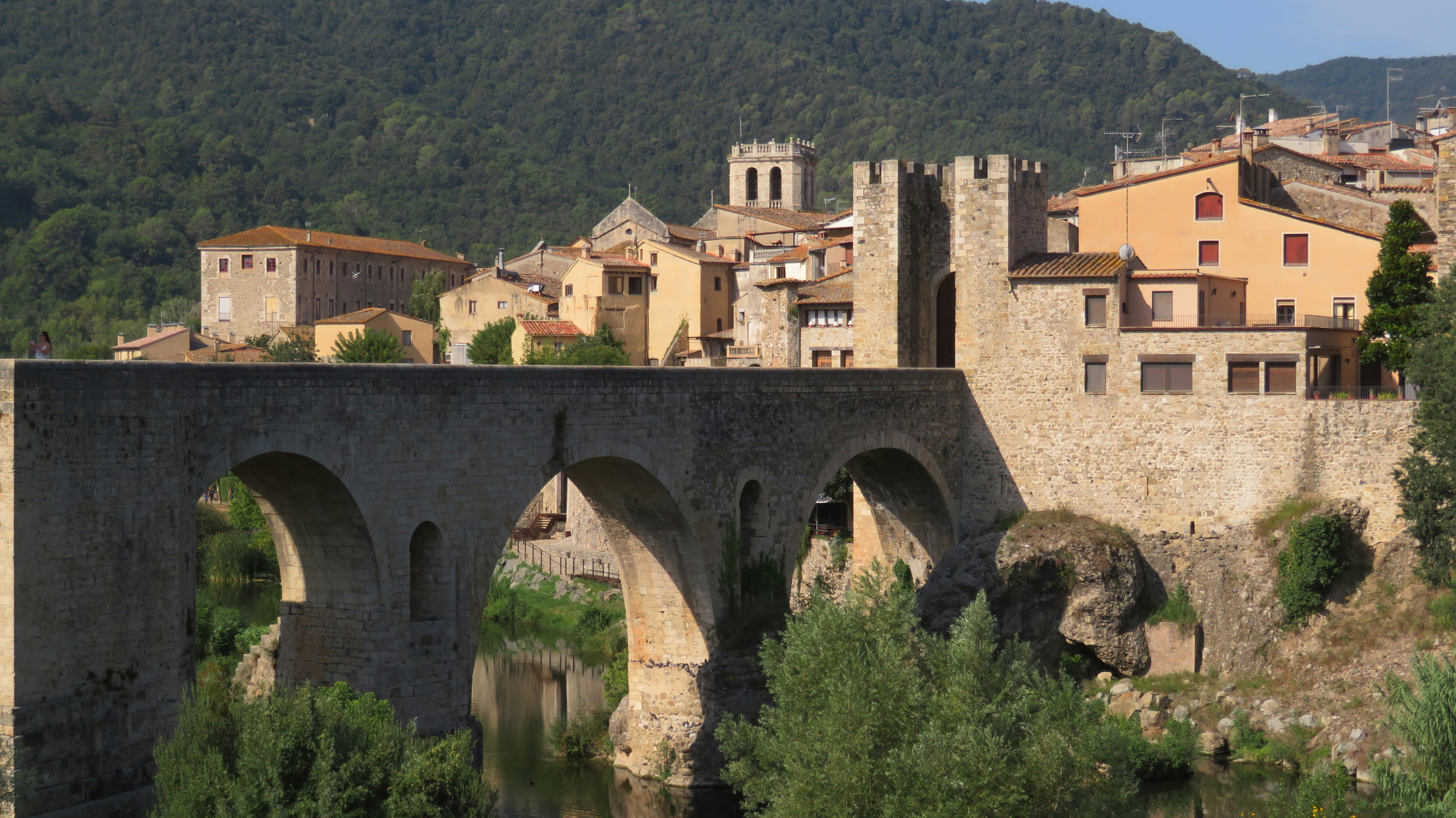
While Eldridge and Riverton share a historical connection, they remain divided by the shimmering waters of the River Valyra, which serves as both a physical barrier and a symbol of their contrasting identities. The river, meandering through the landscape, provides nourishment and beauty yet enforces a sense of isolation between the two villages. Despite their differences and the challenges posed by the river, there lies a potential for connection that is yet to be realized. Plans for a bridge that will span the waters have ignited hope among the villagers, symbolizing not just infrastructure but also the possibility of uniting their distinct cultures and forging new relationships.
The Proposal of the Bridge
The proposal to construct a bridge over the river that separates the two villages elicited a wave of enthusiasm among many community members. At a town hall meeting, the local leaders presented sketches and plans that illustrated the benefits of this innovative infrastructure. They envisaged the bridge not merely as a physical connector but as a symbol of cooperation and shared destiny, allowing increased trade and social interaction between the villages. The notion of creating a shared space where traditions could be exchanged and friendships forged sparked a sense of excitement that rippled through the crowd.
Among those who rallied behind the proposal were the younger villagers, who envisioned the bridge as an opportunity for modernity and economic growth. They argued that trade would flourish, opening new markets for local goods and services. This perspective resonated with many who had long yearned for improved access to resources, schools, and healthcare facilities located across the river. The prospect of a thriving economy led by the unity of both villages invigorated these advocates.
However, not everyone shared this enthusiasm. A considerable faction within both villages expressed skepticism about the bridge proposal. They articulated concerns that this construction would lead to a loss of their distinct identities and an influx of outsiders, potentially leading to conflicts over resources and territory. Traditionalists voiced fears that change, rather than unity, could sow discord among their communities. These differing sentiments created a palpable tension within the meeting, as villagers debated the merits of progressive thinking against the preservation of longstanding traditions.
The conversation surrounding the bridge became emblematic of the broader struggle between innovation and preservation. This foundational moment laid the groundwork for further discussions, as villagers grappled with their visions for the future and their commitment to their heritage. The eventual decision on the bridge would not solely impact infrastructure, but rather the very fabric of their communities.
Construction Begins: Hope and Conflict
The commencement of the bridge construction marked a pivotal moment for both villages involved in its creation. On one hand, there was palpable excitement among villagers who saw the bridge as a symbol of unity and opportunity. Many believed that once completed, the bridge would enhance trade, bolster tourism, and foster relationships that had long been strained by geographical separation. Enthusiastic villagers envisioned a future where the benefits of collaboration would outweigh any past grievances. Community leaders often rallied around this shared goal, aiming to emphasize the potential prosperity that could emerge from teamwork.
However, this optimism was not universally shared. A significant portion of the population harbored deep-rooted mistrust stemming from historical conflicts. Some villagers expressed concerns that the bridge would disproportionately benefit one community over the other. This belief led to simmering tensions, igniting disputes about resource allocation and labor distribution. Misunderstandings emerged swiftly; whispers of favoritism and inequity began circulating, creating an atmosphere fraught with suspicion. Those who felt marginalized feared that their needs would be overlooked in favor of more dominant voices within the planning discussions.
This intricate dynamic manifested itself during community meetings, where discussions about construction plans often devolved into heated arguments. The presence of differing priorities—ranging from economic aspirations to dignity and recognition—highlighted the complexity of human relations in this context. Villagers who initially joined together to support the project soon found themselves grappling with the repercussions of their collective history. Consequently, while the bridge represented hope for many, it also became a catalyst for conflict, forcing both communities to confront their past grievances and question their ability to collaborate effectively.
Clash of Cultures: Misunderstandings Emerge
The construction of the bridge between the two villages marked the beginning of numerous misunderstandings rooted in cultural differences. Each village brought its own customs, traditions, and social norms into the shared space of construction. An early incident occurred when the villagers from the west side insisted on their traditional celebratory lunch during a workday. This cultural practice clashed with the neighboring villagers’ perception of work ethics, which emphasized a strict lunchtime without festivities. What was intended as a joyful communal gathering was viewed by some workers from the east as a distraction from their responsibilities, resulting in heated exchanges and feelings of disrespect.
Similarly, there was a notable misunderstanding regarding communication styles. The east side villagers were used to indirect forms of dialogue, often relying on subtle hints and nonverbal communication. In contrast, the west side community favored more straightforward communication. During a project meeting, a representative from the west bluntly criticized a suggestion made by an east villager, interpreting the latter's hesitant tone as a lack of confidence. This led to a backlash, diminishing the east villager's engagement and fostering resentment. Such instances reveal how cultural expressions, seemingly trivial, have powerful impacts on interpersonal relationships and collaboration.
Moreover, the scheduling of construction hours created further tension. The west villagers operated on a fixed timetable, while those from the east adhered to a more flexible approach. Disagreements arose over working overtime versus maintaining traditional evening family gatherings, further deepening the rift between the communities. The clash of work ethics and family values exemplified how easily misunderstandings can snowball into larger confrontations, breeding suspicion and animosity. As the bridge's construction progressed, it became evident that resolving these conflicts required both communities to engage in dialogue and cultural exchange, fostering mutual respect and understanding.
The Breaking Point: A Crisis Arises
As the bridge project advanced, the initial cooperative spirit between the two villages began to fray under the pressures of competing interests and resource allocation. Tensions escalated, driven by longstanding grievances and a sense of mistrust that had simmered beneath the surface for years. The bridge, intended to unite the communities, became a symbol of division, feared by many to deepen the rift rather than mend it.
On a fateful morning, an incident at the construction site served as a catalyst for conflict. Workers from both villages were present when an unexpected sabotage attempt was made against the project. Heavy machinery was tampered with, leading to a near-fatal accident that injured several workers. Eyewitnesses reported seeing individuals from one village lurking suspiciously near the site just before the incident, which sparked accusations and outrage.
The crisis intensified as community leaders gathered to discuss the matter. Misinformation and rumors circulated rapidly, exacerbating existing tensions. Some locals alleged that the project had become a vehicle for exploitation, while others believed it was a necessary step toward economic growth. The differing perspectives further polarized opinions, inflaming an already volatile situation.
In the days following the sabotage, hostile exchanges grew increasingly common, escalating into altercations that echoed throughout the villages. Each side felt justified in their actions, defending their territory and livelihoods. The bridge, now seen as a potential battleground, threatened to unravel the fabric of the two communities. What was once perceived as a hopeful project now stood at a precipice as both villages grappled with the escalating conflict, caught between ambition and the fear of losing their identities.
A Call for Unity: Leaders Step Forward
In the face of a growing rift between the two villages, the leaders of each community have recognized the urgency of the situation. They have come together, united by a common purpose: to prevent further discord and promote harmony among their people. Understanding that the present conflict not only threatens their respective villagers’ well-being but also jeopardizes the rich cultural heritage they all share, the leaders are calling for an immediate cessation of hostilities.
Effective communication is essential during such fraught times. The village leaders have begun holding meetings to openly discuss their grievances and misunderstandings. They are committed to fostering dialogue that prioritizes mutual respect and empathy. By sharing their perspectives and listening to one another, the village leaders hope to bridge the gap that has formed between their communities. They believe that understanding each other’s struggles is a crucial first step towards cultivating an environment conducive to collaboration.
Furthermore, the leaders are encouraging participation from all villagers in these discussions. They are emphasizing that every voice matters and should be heard in the pursuit of a viable solution. This collective approach ensures that the negotiations are not limited to a few individuals but instead reflect the interests and desires of the entire community.
In addition to dialogue, the leaders are planning cooperative initiatives that can demonstrate the benefits of unity. By collaborating on community projects, cultural exchange events, and educational programs, the villagers can witness firsthand the advantages that come from working together. Such actions are intended to dissolve preconceived notions and foster camaraderie among the citizens of both villages.
Through these efforts, the leaders hope to inspire a renewed spirit of collaboration and understanding, reminding everyone involved that their strength lies in their unity. They aim to lay down the foundations for a future where cooperation prevails over conflict, ultimately leading to a resolution that honors the dignity of both communities.
The construction of the bridge represents not only a physical connection between the two villages but also a symbolic collaboration that unites them. As the villagers set out to build the bridge, they bring their unique skills and experiences to the project. The engineers from Village A work hand in hand with the craftsmen from Village B, combining traditional building methods with contemporary techniques. This exchange of knowledge not only enhances the efficiency of the work but also fosters mutual respect and understanding.
Throughout the building process, villagers participate in joint planning meetings where ideas are exchanged freely. These discussions allow them to address challenges collaboratively, promoting a sense of ownership among community members. The villagers learn to appreciate each other's cultural perspectives and strengths, recognizing that they complement rather than compete with one another. For instance, while one group may excel in woodworking, another might bring proficiency in design. Together, they create a structure that embodies the spirit of cooperation and cultural exchange.
Moreover, as the bridge takes shape, informal interactions among the villagers become a vital aspect of the project. Families from both sides share meals, tell stories, and engage in traditional games, reinforcing a bond that transcends the task at hand. These social gatherings not only enliven the worksite but also deepen friendships, fostering a genuine appreciation for each other's heritage and customs.
Ultimately, this collaborative approach to building the bridge catalyzes a broader dialogue between the two villages. As villagers witness the tangible results of their joint efforts, they develop a stronger sense of community. They learn that by collaborating, they can achieve far more than they could individually, making the bridge a powerful symbol of unity and shared purpose.
The Grand Opening: Celebration and Reflection
The grand opening of the newly constructed bridge was not merely an architectural celebration; it symbolized the unity of two villages that had been separated by a river for generations. This momentous event brought together villagers from both sides, who gathered to commemorate their joint endeavor. The atmosphere was filled with enthusiasm, as the bridge stood tall between the two communities, a testament to their hard work and determination.
The day commenced with vibrant decorations adorning the bridge, reflecting the colors and cultures of both villages. Music filled the air, and traditional dances showcased the rich heritage of the people. As laughter and cheer echoed across the river, it became evident that this bridge represented much more than a physical structure; it was a manifestation of trust and collaboration that had blossomed through the process of its construction.
Villagers shared stories of their journey to this moment, reminiscing about the initial challenges they faced in coming together. Many had doubts about whether the two communities could truly unite. However, as they worked side by side, constructing the bridge, they learned invaluable lessons about patience, understanding, and the power of teamwork. Each nail driven, and each beam placed became a metaphor for the building of relationships and the breaking down of barriers.
The reflections shared during the ceremony underscored the importance of building connections, both literally and metaphorically. It was a reminder that the journey to this grand opening was as significant as the bridge itself. Lessons about empathy and mutual respect resonated throughout the crowd, reinforcing the belief that when people come together with a shared goal, they can overcome even the most daunting obstacles. This sense of community spirit, rekindled through their collaborative efforts, was the true essence of the celebration.
Conclusion: The Moral of the Story
The tale of the two villages serves as a poignant reminder of the significance of unity, trust, and cooperation in surmounting barriers. The narrative illustrates how, despite their differences, the villagers could come together to construct a bridge that transcended their physical separation. This bridge is not merely a structural entity; it epitomizes the possibilities that emerge when individuals prioritize collaboration over conflict.
In a world often marred by discord and division, the symbolism of the bridge serves as an inspiring metaphor. It emphasizes that genuine connections can be established when people set aside their misunderstandings and embrace the commonalities that unite them. The act of building the bridge speaks volumes about the power of collective effort and the willingness to reach out to one another, fostering an environment of respect and understanding.
Moreover, the story underlines the essence of trust in any communal endeavor. Trust acts as the cornerstone of effective cooperation, facilitating smoother interactions and encouraging individuals to contribute their strengths toward a shared goal. By forging alliances and nurturing trust, the villagers could not only achieve a functional outcome, but also cultivate lasting relationships built on mutual respect.
In conclusion, the moral of this story transcends the immediate narrative, urging readers to reflect on their circumstances. It calls upon everyone to embrace the principles of unity, trust, and cooperative spirit in their interactions with others. The bridge ultimately symbolizes hope and the potential for transcending differences, inviting all to participate in the building of connections that enhance the community as a whole.