
The Mysterious Library
The scene is set in a quaint little town, on the verge of being forgotten. At the heart of this town lies an old library, a remarkable structure echoing the architecture of a bygone era. Its exterior is clad in weathered bricks and adorned with ivy, suggesting that it has withstood the test of time. As one approaches the library, a distinct smell of aged paper wafts through the air, tinged with the slight mustiness typical of books that have been read and cherished for generations. This sensory experience draws in any passersby, whispering tales of discovery and knowledge contained within.
It is here that a curious child, initially driven by boredom from summer vacation or an impending school assignment, stumbles upon the library's wooden doors, cracked but inviting. With a gentle push, the doors creak open, revealing a world that appears almost magical. A warm light filters through the tall windows, illuminating the dust particles that dance in the air. Shelves, towering high and filled to the brim, boast an eclectic collection of tomes—some worn, some lavishly bound, each one unique in its own right.
As the child steps inside, an inexplicable sense of wonder envelops them. The quietude of the library, punctuated only by the rustle of pages turning, invites exploration. Each aisle presents an adventure waiting to be uncovered, with stories ready to leap off the pages and transport the uninitiated into realms of imagination and intellect. In this hallowed space, curiosity flourishes. The child is not merely searching for a book to satisfy educational requirements but is, in fact, embarking on an unexpected journey through history and knowledge.
A Hidden Treasure
In the dimly lit corners of the city library, a child, intrigued by the vastness of the surrounding books, wandered deeper into the unexplored aisles. The air was thick with the scent of aged paper and dust, a testimony to the countless stories that lay dormant on the shelves. As the child ventured further, the light filtering through the tall windows seemed to guide them towards a neglected section of the library. Here, the shelves were adorned with books that had largely been forgotten over time.
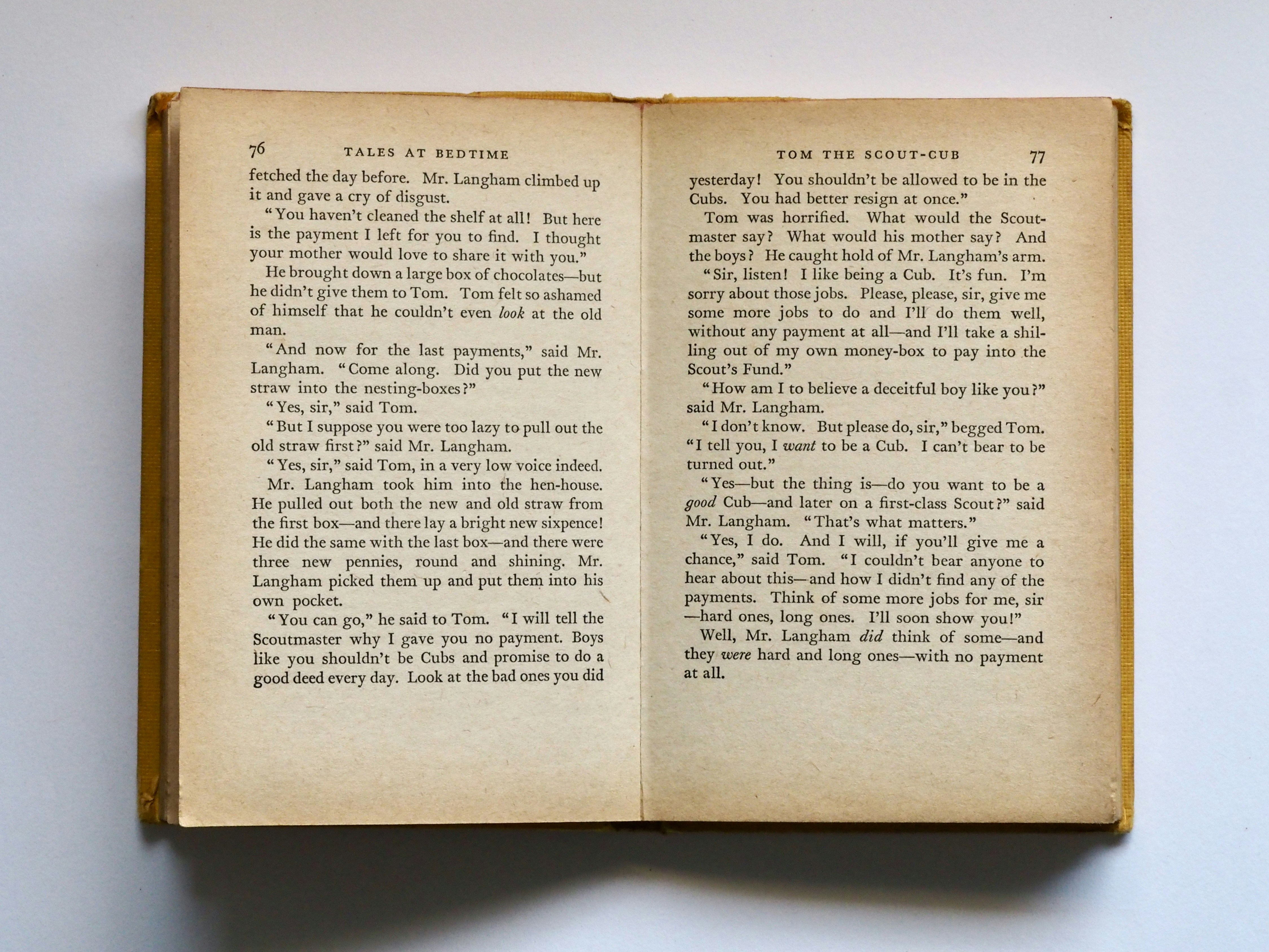
Among the myriad of titles, one book stood out. Its spine was worn, frayed at the edges, while the cover featured intricate designs that hinted at an era long past. The child's fingers traced the patterns, the texture feeling both rough and inviting. The book's color, a faded shade of brown, suggested it had been there for decades, possibly centuries. With every passing moment, it felt almost as if the book were calling out, inviting the child to discover the secrets it contained.
The child hesitated, a thrill coursing through their veins. What stories lay within this hidden treasure? Imagining tales of adventure and wisdom sparked a deep curiosity in their heart. This old book appeared to be a portal to another world, a key to unlock knowledge and imagination previously stowed away. Glancing around to ensure no one else was witnessing this moment, the child carefully pulled the book from the shelf, the movement releasing a cloud of dust into the air, swirling like forgotten dreams. As the pages creaked open, the child felt an exhilarating sense of discovery rush forth, the contents beckoning them into a journey of exploration.
The First Lesson: Knowledge is Power
As the child delves into the pages of the forgotten book, they are immediately struck by the timeless lesson: knowledge is power. This essential truth resonates deeply within them, planting the seeds of curiosity and intellectual growth. Knowledge serves as the foundation for understanding the world, and the journey of discovery reflects the learning experiences of countless generations before. The transformative potential of knowledge not only shapes perceptions but also guides actions, fostering a desire for deeper understanding.
Throughout history, figures such as Socrates and Confucius have stressed the significance of knowledge; their wisdom emphasizes its role in personal and societal development. The child begins to recognize that knowledge is not merely an accumulation of facts but a tool for empowerment and progress. This understanding empowers them to view their education as a pathway to enlightenment, enabling them to engage with diverse perspectives and formulate their own opinions.
Moreover, this initial lesson underscores the importance of cultivating a love for learning. It inspires the child to seek knowledge actively rather than passively absorbing information. They learn that asking questions, investigating new subjects, and being open to unconventional ideas are all part of the journey toward enlightenment. The embrace of knowledge fosters resilience, encouraging them to face challenges with informed perspectives and innovative solutions.
The child’s growing appreciation for knowledge illuminates their path, revealing the profound impact it has on shaping their character and aspirations. Ultimately, the first lesson learned from the forgotten book echoes through time, reinforcing the belief that knowledge is a powerful ally in the quest for personal and collective growth.
The Second Lesson: The Value of Patience
As the narrative of The Forgotten Book progresses, readers encounter a profound lesson centered on the value of patience. This lesson emerges during pivotal moments when the protagonist, a young child, faces various circumstances that require an unwavering commitment to waiting, observing, and ultimately understanding the unfolding events in their life.
Patience, often viewed as a virtue, is intricately woven into the fabric of life's challenges. The child learns that immediate gratification rarely leads to the most fulfilling outcomes. An illustrative example is presented when the protagonist faces the anticipation of a much-anticipated event or revelation. In the beginning, their excitement propels them towards impulsive actions. However, as the story unfolds, they come to realize that true rewards often come to those who are willing to wait. This realization becomes evident as they recall moments when their impatience resulted in unfavorable consequences, such as rushing through a project at school, only to receive a lower grade. In contrast, taking the time to thoroughly research and refine their work ultimately leads to accolades and recognition. This personal anecdote serves as a microcosm of life's larger theme—patience fosters a deeper understanding and better results.
Moreover, the child observes examples from the world around them, such as the growth of a tree that takes years to reach maturity or the natural progression of seasons, which require time to complete their cycles. These observations reinforce the notion that waiting can yield profound transformations. By applying this lesson to their own experiences, the child learns that cultivating patience not only enhances their life but also enriches their interactions with others. The lesson of patience, therefore, signifies a crucial step in the child's journey, emphasizing that true wisdom often lies in the ability to endure and appreciate the process of growth.
The Third Lesson: Wisdom Through Experience
In the realm of wisdom, experience emerges as a profound teacher, a theme elegantly explored in "The Forgotten Book." This particular lesson underscores the significance of challenges and adversities faced by individuals, illustrating how their responses and growth through these experiences shape their understanding of life. The book presents a series of compelling narratives, showcasing characters who have encountered various hardships—from personal loss to societal challenges. Each story serves as a conduit for imparting deeper insights, demonstrating that wisdom is not solely a byproduct of rote learning or memorization but flourishes through lived experiences.
As the narrative unfolds, the young protagonist embarks on a journey of emotional and intellectual enlightenment. Through observing the trials faced by others, the child begins to grasp the essence of wisdom, defined as the capacity to make sound judgments based on one’s life experiences. These enlightening encounters become pivotal moments, instilling a sense of resilience and adaptability that empowers the child to navigate his circumstances thoughtfully. The stories reveal that wisdom arises not from avoiding difficulties, but rather by embracing them and analyzing the lessons they impart.
The tales within highlight that decisions made in the face of adversity often carry a weight of understanding that purely factual knowledge cannot provide. The ability to empathize with others and derive meaning from personal experiences shapes the young individual’s approach to life. This growing penchant for deep thought and reflection positions wisdom as a dynamic force—one that evolves as individuals learn and adapt. As the child later applies these lessons, it becomes evident that true wisdom transcends simple understanding; it manifests in informed decisions that have the power to influence one’s path forward.
Making Connections: Relating Lessons to Real Life
In the journey of self-discovery and personal growth, the lessons gleaned from the book play an invaluable role in shaping a child's understanding and approach to real-life situations. As the child reads the unfolding narrative, they begin to draw parallels between the characters’ experiences and their own encounters at school, home, and within their friendships. This blossoming awareness marks a pivotal moment in which lessons transform into applicable wisdom.
For example, consider a scenario where the child faces challenges in their academic life. They might recall a portion of the book that emphasizes resilience and determination in overcoming obstacles. This could resonate when they struggle with a difficult subject or project. Instead of surrendering to frustration, they begin to adopt a mindset upheld by the book’s messages, striving to persist and asking for help when necessary. With each challenge, the wisdom interwoven into the narrative offers guidance, spurring them toward problem-solving and perseverance.
Moreover, friendship dynamics serve as another fertile ground for the application of these lessons. A conflict may arise between the child and a friend, compelling the child to reflect on the book’s insights regarding empathy and communication. Drawing from the text, they begin to understand the importance of viewing situations from another's perspective, which encourages dialogue aimed at resolution rather than confrontation. Such revelations can lead to stronger, more compassionate relationships.
Ultimately, the act of relating these lessons to life's daily challenges fosters a deeper understanding of oneself and others. As the child internalizes the teachings from the book, they are not merely reading words on a page but participating in a transformative journey. Each connection made enriches their personal experiences, paving the way for ongoing growth and development.
A Transformation: The Child’s Growth
The journey depicted in "The Forgotten Book" serves as a pivotal force in the transformation of the child. Initially characterized by curiosity yet hindered by uncertainty, the child undergoes a profound metamorphosis as they absorb the rich lessons embedded within the pages of the book. This transformation is marked by notable changes in their behavior, thought processes, and overall approach to learning.
As the child delves deeper into the narratives and insights found in the book, they begin to exhibit signs of increased confidence and enthusiasm for exploration. The once passive engagement with education evolves into a proactive quest for knowledge. Curiosity transforms into a thirst for understanding, reflected in the child's willingness to ask questions and seek answers beyond the confines of traditional learning environments.
Moreover, the newfound understanding gleaned from the book fosters an evolution in the child’s interpersonal relationships. Empathy and compassion become integral components of their character, allowing for deeper connections with peers and family members. The child learns to appreciate diverse perspectives, cultivating a sense of community and collaboration that enhances their social skills. This shift not only bolsters their interactions but also instills a greater sense of responsibility towards the collective well-being.
In the realm of education, the transformation manifests in a more holistic outlook. The child begins to view learning not merely as a means to academic success but as a lifelong journey enriched by diverse experiences. This perspective encourages an intrinsic motivation to learn, moving beyond rote memorization towards a more authentic engagement with knowledge. The wisdom derived from the forgotten book shapes a renewed narrative in the child’s life, crafting a future defined by inquiry, connection, and transformative growth.
Sharing the Wisdom: Inspiring Others
The journey of discovery and wisdom experienced by the child serves as a catalyst for change not only in their own life but also in the lives of those around them. Compelled by the lessons learned from their encounters with the forgotten book, the child becomes increasingly motivated to share this newfound knowledge with friends and family. This sharing is not merely an act of recounting stories or passing on information; it represents a profound mission to inspire others to embrace the values of knowledge, patience, and wisdom.
As the child embraces this role, they begin to engage in conversations with peers, recounting the impactful stories and unique insights derived from the book. The friends, initially skeptical or indifferent, find themselves captivated by the child’s enthusiasm and the transformative power of the lessons being shared. They start to realize that wisdom is not only for scholarly pursuits but also applicable in daily life, prompting them to reflect on their own experiences and the importance of nurturing a culture of learning within their friendships.
Similarly, family members express varying reactions to the child’s insights. Some may respond with encouragement, expressing pride in the child’s initiative while others show curiosity about the content of the book. The reactions create a ripple effect, as family discussions evolve to include themes of patience and the value of introspection, further reinforcing the child's role as a source of inspiration. This exchange fosters an environment where knowledge is valued, leading others to seek out similar wisdom in their lives.
Ultimately, the child evolves into a beacon of light within their community, rallying others to the cause of learning and growth. As they share the lessons of the forgotten book, they contribute to a collective awakening, encouraging everyone to cultivate patience and seek wisdom in every situation. Their journey not only impacts their perspective but also establishes a legacy of knowledge and inspiration that resonates far beyond their immediate circle.
The Moral of the Story: The Importance of Learning and Education
In the narrative of the forgotten book, we uncover a profound message about the role of education and continuous learning in shaping one's character and destiny. The child’s journey, sparked by the discovery of an old book, serves as a powerful metaphor for the endless pursuit of knowledge. Through the act of reading about past civilizations and exploring philosophical dilemmas, the child not only enriches their own understanding but also acquires the ability to think critically and make informed decisions.
This story illustrates how education transcends mere information absorption; it embodies a transformative process that can alter perspectives and empower individuals. The dusty pages the child turned not only contained stories of the past but also lessons applicable to contemporary life. The journey through these narratives highlights that education is not confined to formal institutions but is an ongoing endeavor accessible to everyone, at any stage of life.
The importance of fostering a love for learning is paramount, as it opens doors to new experiences and enhances personal growth. The child's exploration inspires others in their community, igniting a curiosity that propels them to seek knowledge. This ripple effect of learning emphasizes that education is a communal treasure, nurturing a society that values wisdom and insight. The timeless nature of knowledge reveals that while the contents of the book may have been gathered in the past, the truths derived are perpetually relevant.
Ultimately, the moral of this story compels us to embrace education as a lifelong journey, reminding us that every new piece of knowledge enriches our understanding of the world and empowers us to contribute meaningfully to society. The forgotten book, therefore, symbolizes not just history but a call to engage actively in the learning process, ensuring that we continually evolve and adapt in our quest for wisdom.