The Village and Its Annual Race
The quaint village of Eldermere, nestled between rolling hills and vibrant meadows, is renowned for its annual race, which serves as a focal point for community spirit and camaraderie. Every year, as the first rays of spring sunshine break through winter's chill, villagers eagerly anticipate this time-honored event. For Eldermere, the race is not merely a competition; it represents a celebration of unity, resilience, and festivity that binds the community closer together.
The significance of the race extends beyond the physical aspect of running. It is a tradition that has been passed down through generations, with local families gathering to cheer on their favorites while enjoying homemade treats and artisanal goods from the village market. The atmosphere brims with enthusiasm as various competitors, both seasoned athletes and enthusiastic novices, prepare to vie for the coveted title of village champion. Each participant brings their unique story and motivation to the race, heightening the excitement and sense of belonging that permeates the air.
Among the participants are two brothers, Samuel and Thomas, whose distinct personalities become evident as the event approaches. Samuel, the elder, embodies discipline and focus, often training rigorously to prepare for the arduous course. In contrast, Thomas, the younger brother, approaches the race with a more spontaneous attitude, seeking to embrace the joy and thrill of the experience rather than solely aiming for victory. Their differing perspectives on the race reflect not only their individuality but also highlight the rich tapestry of values within the village as a whole.
The annual race in Eldermere encapsulates much more than athleticism; it embodies the heart and soul of the community, showcasing local culture, spirit, and the unique relationships that flourish among its residents. As the race day approaches, the excitement builds, offering a perfect backdrop for the unfolding tale of the two brothers and their journey in the pursuit of glory and personal growth.
Meet the Brothers: Leo and Max
In the world of competition, two brothers stand at opposing ends of the spectrum: Leo, the older sibling, embodies the values of hard work and integrity, while his younger brother Max embraces a more pragmatic approach, often seeking shortcuts and clever tricks to achieve success. This fundamental difference in their philosophies is not just a reflection of their individual personalities but also shapes the very fabric of their sibling relationship.
Leo, having been raised in a household that valued perseverance, has always taken pride in his methodical approach to challenges. His belief in the importance of dedication and persistent effort has driven him through various competitive arenas, from academics to sports. Leo often emphasizes that true victory lies in the journey, not merely the outcome. This ethos has been a guiding principle throughout his life, influencing the decisions he makes and the way he interacts with competitors.
On the other hand, Max finds himself drawn towards a more unconventional path. Raised in the same environment as Leo, he observed the success his brother achieved through hard work. However, Max believed that life could be navigated with smart tactics and shortcuts to save time and energy. He often employs creative strategies that may circumvent traditional routes to triumph. This inclination towards cleverness, while sometimes yielding impressive results, often raises ethical questions about the nature of true competition.
Their relationship is marked by both camaraderie and rivalry, making for a complex dynamic. As they navigate competitions together, their opposing philosophies come to light, sparking discussions that often lead to deeper understanding. Each brother continuously learns from the other; Leo becomes more open to alternative strategies, while Max gains a newfound appreciation for effort and integrity. This push and pull not only molds their character but also highlights the broader implications of ethics in competition.
Training for the Race: Different Approaches
The journey to the race began long before the starting gun was fired, characterized by two markedly different approaches taken by the brothers, Leo and Max. Leo embraced a traditional training regimen, committing himself to daily practices that spanned from early morning runs to late-night stretching sessions. His routine revolved around building stamina and agility, often incorporating various terrains into his long-distance runs. This steadfast dedication to physical conditioning was evident as he meticulously logged miles, gradually increasing his distance and intensity, which he believed were essential elements for a successful race.
In stark contrast, Max adopted an unconventional strategy that emphasized cleverness and tactical advantages over rigorous physical preparation. Instead of focusing solely on his running technique, he devised elaborate schemes aimed at outsmarting his competitors. From researching the racing styles of other participants to subtly befriending those in the same circuit for insider information, Max’s approach showcased a flair for ingenuity. He spent hours observing other athletes, identifying their weaknesses, and developing a game plan that could potentially exploit their vulnerabilities during the race.
While Leo viewed training as a disciplined path to success requiring hard work and perseverance, Max saw it as a game of strategy where intellect and cunning could theoretically provide an edge. This divergence in mentality highlighted not only their contrasting views on effort but also their different interpretations of what it meant to be prepared. Leo’s commitment to exhaustive training exemplified his belief in the foundational role of physical fitness, while Max’s focus on strategy illustrated a more nuanced understanding of competition, one that valued psychological over purely physical prowess.
The Day of the Race: Setting the Scene
The sun rose with a golden hue illuminating the village as anticipation filled the air. The day of the much-anticipated race had finally arrived, transforming the village square into a vibrant hub of activity. Villagers adorned in colorful attire gathered in droves, lending an infectious energy to the event that could be felt pulsating through the crowd. As people mingled, laughter and jovial shouts echoed, creating an atmosphere thick with excitement.
Stalls lined the streets, with vendors displaying an array of local delicacies and refreshments. The aroma of freshly baked bread intermingled with the scent of blooming flowers, further enhancing the festive environment. Children dashed around, some waving handmade banners, while others engaged in friendly competitions of their own. The air was electric with eagerness as villagers exchanged stories of past races and fueled each other’s enthusiasm. This was not merely a race; it was a celebration of community spirit, tradition, and the determination of two brothers who would soon go head-to-head.
As the start time drew near, the brothers stood side by side at the starting line, their hearts racing in unison with the crowd’s fervor. Each brother exhibited a distinct demeanor, illustrating their individuality. The older brother, calm and composed, radiated focus, mentally rehearsing his strategy. In contrast, the younger sibling shimmered with eagerness, bouncing on his feet as if attempting to harness the energy around him. Both were acutely aware that this competition not only embodied their personal aspirations but also represented their family's legacy.
Surrounded by the cheers of their fellow villagers and the palpable excitement in the atmosphere, the tension escalated. With every moment that passed, a mix of nerves and anticipation settled over them like a thick fog, ensuring that this day would be etched in their memories forever. The starting whistle was all that stood between them and the culmination of their hard work and dreams.
The Race Begins: Competition Heats Up
The air was charged with excitement as the starting signal echoed through the valley, igniting the fierce rivalry between Leo and Max. Each brother took off with precision and determination, their long-standing competition reaching its peak. While Leo maintained a steady rhythm, focusing on an efficient pacing strategy, Max darted ahead, utilizing the shortcuts he had carefully mapped out before the race.
Leo, with his sleek running form, paid meticulous attention to his technique. His footfalls were even and deliberate, each step calculated to conserve energy for the long stretch ahead. As he settled into his stride, the cadence of his breath became a playful melody mirroring the beat of his heart. Every inch of ground covered was a testament to his disciplined training, a stark contrast to the erratic approach taken by his brother.
Max, on the other hand, was a whirlwind of ambition, swerving off the beaten path to exploit hidden routes that offered him an early advantage. His instincts and prior experience on the course allowed him to navigate obstacles with a daring finesse. As spectators cheered, Max's confidence soared, propelling him to further exploit the advantage he had gained. Though his methods bordered on reckless, there was an exhilarating charm to his approach that captivated the crowd.
As the brothers continued along their separate trajectories, the tension simmered between them. Leo embodied the essence of discipline and resilience, while Max thrived on spontaneity and instinct. Each brother epitomized different styles of competition, leading to an unpredictable race that kept everyone on the edge of their seats. With the first leg of the race well underway, the true battle of endurance, skill, and brotherhood was just beginning to unfold.
Unexpected Obstacles: Trials on the Racecourse
As the race commenced, both Leo and Max were filled with anticipation, unaware of the unexpected obstacles they would soon face. Leo's journey quickly introduced him to the challenges nature could present. The racecourse was designed to push racers to their limits, featuring unpaved paths, steep inclines, and sudden weather changes. One such challenge arose when a sudden rainstorm transformed parts of the track into a slippery mess of mud and puddles. These conditions tested Leo's perseverance; maintaining grip and balance became a battle of will against nature's whims. Each step was a reminder of the tenacity required to overcome the elements that could hinder progress, refining Leo’s mental focus while enhancing his physical endurance.
In stark contrast, Max’s strategy leaned heavily on finding shortcuts. Initially confident that these routes would provide an edge, he soon found himself in a series of unforeseen predicaments. One shortcut led him into an overgrown thicket, slowing his pace and requiring considerable effort to navigate. While he aimed for efficiency, his reliance on these untested paths resulted in time lost and physical strain. Coupled with this was a moment when he took a detour to save time which ultimately brought him face-to-face with a steep, rocky hill—not the smooth terrain he expected. The decision to avoid the main path seemed prudent at first but soon proved costly as Max realized the need for unplanned energy expenditure.
These trials on the racecourse illuminated key differences between the brothers. Leo's encounter with natural obstacles fostered a deeper understanding of the need for adaptability, resilience, and respect for nature's unpredictable ways. Meanwhile, Max's reliance on shortcuts highlighted a lesson in the importance of preparation and the potential repercussions of seeking quick, unvetted solutions. Together, these experiences would shape their racing journey significantly, testing their strategies, decision-making processes, and ultimately, their resolve to succeed against the odds.
The Turning Point: Choices and Consequences
As the race progresses, both Leo and Max find themselves at a critical juncture, forced to confront the realities of their respective decisions. Leo, representing diligence and perseverance, has dedicated himself to rigorous training and ethical preparation. His hard work manifests in remarkable endurance as he tackles a series of obstacles, each one a testament to his commitment. In contrast, Max’s approach, characterized by shortcuts and a lack of discipline, begins to unravel. While he initially leads the race with a seeming advantage, the repercussions of his earlier choices start to surface.
In the final leg of the race, Leo navigates the course with confidence, employing not just physical strength but also strategic thinking honed through his training. Every challenge he encounters serves as a reminder of the importance of integrity in competition. With each hurdle, Leo’s resolve strengthens, and his determination to succeed grows more profound. This moment serves as a realization: success gained without effort can often be fleeting.
Conversely, as fatigue sets in, Max grapples with the consequences of his rushed decisions. He finds himself falling behind, battling both physical exhaustion and the nagging voice of regret that questions his racing philosophy. The internal conflict weighs heavily on him, as he acknowledges the price of his shortcuts. The looming finish line becomes a symbol of the reflections he must confront regarding his choices.
As the brothers near the concluding stretch of the race, the contrast between their journeys becomes starkly evident. Leo’s commitment stands as a beacon of what can be accomplished through hard work, while Max’s struggle highlights the potential pitfalls of pursuing success without a solid foundation. This pivotal moment encapsulates not just their rivalry, but also a broader lesson about the choices we make and the inevitable consequences that follow.
The Finale: Crossing the Finish Line
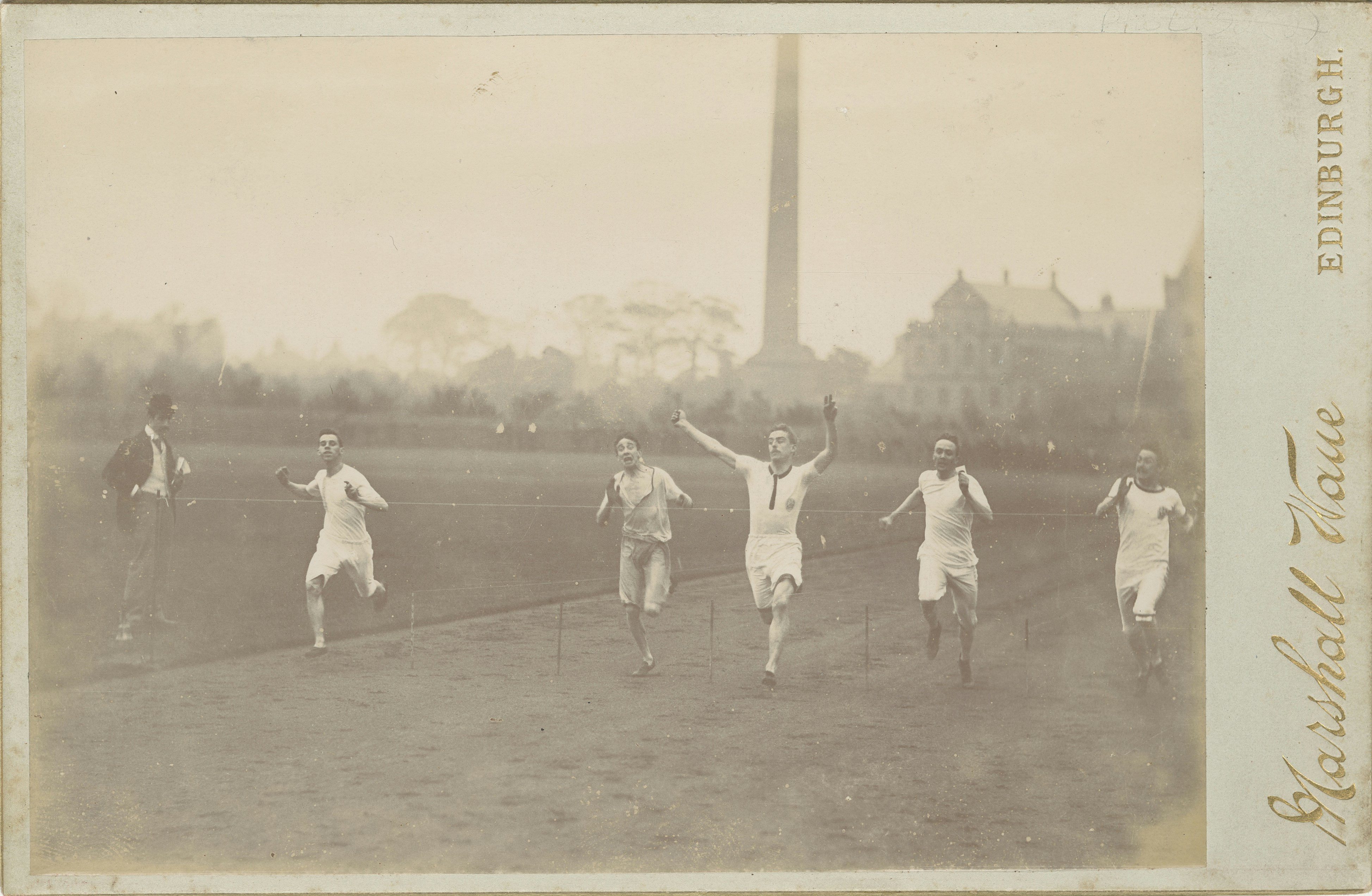
As the sun dipped below the horizon, casting a warm glow over the racing track, the tension among the villagers intensified. The crowd, a tapestry of excitement and anticipation, erupted with cheers as the two brothers drew closer to the finish line, each fueled by a unique blend of determination and competitive spirit. With each stride, the emotional weight of the moment bore down on them, igniting their resolve even further.
David, the older brother, felt a surge of nostalgia intermingled with the anxiety of competition as memories of their childhood flooded back. Driven by a sense of duty and the long-standing desire to win, his pace quickened. In contrast, Samuel, the younger and more carefree sibling, thrived in the thrill of the race itself. He cherished the experience more than the ultimate outcome, but the sight of his brother ahead urged him to push his limits. The brothers’ distinct perspectives on competition shaped their performance in those critical final moments.
The onlookers, a blend of friends, family, and fellow villagers, witnessed the heart-pounding climax. Their shouts created an electrifying atmosphere, uniting the community in a celebration of endurance and perseverance. Tension mounted as the finish line approached, the village's collective breath held in suspense. Some villagers cheered for David, representing tradition and the weight of expectations, while others rallied behind Samuel, championing youthful exuberance and the joy of the sport.
As the brothers approached the final stretch, both men felt the palpable shift in the atmosphere, the culmination of years spent preparing for this moment. The race had transformed from a mere competition into a heartfelt confrontation of their individual aspirations and sibling bond. Each pushed harder, embodying the race of a lifetime as they neared the finish line, their hearts racing in harmony with the crowd’s fervor, creating a spectacular finale that would resonate within the village for years to come.
Conclusion: Lessons Learned and the Moral of the Story
The race between the two brothers served as a pivotal moment in their lives, not only highlighting the thrill of competition but also revealing essential truths about integrity, perseverance, and the spirit of fair play. Throughout the competition, each brother faced choices that impacted not just the outcome of the race, but also their personal values and relationship. The experience underscored a fundamental lesson: true success is not merely defined by crossing the finish line first but by the manner in which one competes.
One of the key lessons learned was the significance of hard work and honesty. While one brother may have initially sought to gain an advantage through deceptive means, it quickly became evident that such tactics ultimately tarnished the joy of victory. Rather than fostering a sense of accomplishment, it led to regret and strained their bond. This realization illuminated the importance of integrity in competition, suggesting that victories earned through dishonest actions are hollow and fleeting.
Moreover, the race highlighted the value of resilience and commitment. Both brothers displayed immense effort and dedication in preparing for the challenge. This determination proved that hard work, when applied sincerely, is often rewarded. As they both crossed the finish line, they recognized that genuine success is rooted in personal growth rather than mere victory over others.
In conclusion, the moral of the story emphasizes the need for fair play and the cultivation of a strong character in the face of competition. As individuals navigate their own races in life, whether in sports or other endeavors, it is crucial to embrace honesty and hard work. These values not only pave the way for true success but also foster healthy relationships built on respect and trust. Ultimately, the race served as a profound reminder that in the race of a lifetime, the journey and the lessons learned are what truly matter, far surpassing the accolades of mere victory.